
3 August 2026
Opportunity spaces: three years in
A note from our CEO on our opportunity space evolution

When I joined ARIA as CEO six months ago, one of the things that struck me most was how deliberately the organisation chooses where to focus its ambition.
Most research organisations organise themselves around disciplines, institutions or technologies. At ARIA, we do things differently. We organise around opportunity spaces: strategic frontiers where we believe breakthroughs could fundamentally expand what becomes possible.
Opportunity spaces aren’t funding themes or administrative categories. They are hypotheses about the future – our best judgement about the scientific and technological capabilities that, if realised, could unlock profound benefits across many fields. They provide strategic direction while giving our Programme Directors the freedom to pursue bold ideas wherever the science leads.
Three years on, that model has been tested. Our first two cohorts of Programme Directors have launched 15 programmes, funded more than 200 R&D Creator teams, helped catalyse new UK companies and attracted international organisations to pursue breakthroughs here in Britain.
Just as importantly, they’ve taught us something.
Already in my first six months here, as I’ve looked across the portfolio, I’ve seen Programme Directors repeatedly converge on the same enabling technologies, engineering challenges and scientific capabilities. What first appeared to be distinct opportunities increasingly revealed themselves as connected frontiers.
The seven opportunity spaces we are announcing today reflect that learning. Each of these spaces is focused on the desired end state they could unlock rather than by discipline or technique. They capture where we now believe sustained ambition, exceptional people and long-term investment can unlock the greatest transformational impact.
This evolution doesn’t change our existing programmes or funding commitments. Every live programme and project continues exactly as planned. Instead, it gives current and future Programme Directors, researchers and partners a clearer view of the frontiers we believe matter most.
This change also reflects how breakthrough research increasingly happens. Throughout my career, I’ve learned that truly transformative science very rarely sits neatly within a single discipline; they emerge where biology, engineering, computing and the physical sciences intersect. Organising around broader opportunity spaces creates room for multiple Programme Directors to pursue complementary ideas, strengthen research communities and connect discoveries that might otherwise remain isolated.
Our new opportunity spaces will also change how ARIA operates. Until now, new Programme Directors have spent their first months defining an opportunity space before building programmes within it. By having these frontiers established in advance, they can focus from day one on finding exceptional researchers, developing ambitious programmes and backing breakthrough ideas. With applications for our third cohort opening on 17 August, they’ll have a clear view of the frontiers we want to explore.
From my time leading DARPA’s Information Innovation Office, I’ve seen that successful research agencies evolve continuously as science evolves. Some opportunity spaces will mature into thriving research ecosystems. Others will evolve as new discoveries reshape our understanding of what’s possible. And when entirely new frontiers emerge, we’ll create new opportunity spaces to pursue them.
That’s exactly how a frontier research agency should work.
These seven opportunity spaces capture what we’ve learned and provide the foundation for the next phase of our journey. We’re still at the beginning. I can’t wait to see what the next generation of Programme Directors – and the wider research community – will build within them.
Our new opportunity spaces
- Nature-Inspired Computation – Unsustainable energy requirements and limited datasets demand alternative scaling pathways for AI. Novel computing, learning and perception paradigms inspired by nature will enable radically greater efficiency and adaptability.
- Programmable Physiology – Many intractable diseases arise from dysregulation across interacting biological systems, not single points of failure. We have the opportunity to revolutionise medicine by developing technologies that allow us to read, model, and modulate human biology at systems scale, spanning molecular networks, cell states, tissues, and whole-body physiology.
- Trust Everything, Everywhere – Trust is becoming the bottleneck to collective flourishing. We need the scientific, technological, and institutional building blocks that let humans and machines thrive together.
- Adaptive Machines – The physical world is complex and constantly changing, making it difficult for machines to find their way around and operate reliably. Intelligent machines that adapt to unpredictable environments can help humanity thrive.
- Resilient Climate and Ecosystems – Living systems and a stable climate underpin our food, health, materials, and security, and both are under growing strain. We can build the precise knowledge and tools to deeply understand and safely navigate these tightly coupled systems and radically expand our options to secure resilient ecosystems and a flourishing planet.
- Abundant Manufacturing – Our food and material systems depend on resource-intensive production and fragile supply chains, both of which are increasingly vulnerable to a volatile climate. We have an opportunity to produce a sustainable abundance of food and materials with greater speed, precision and flexibility.
- Scalable Neural Interfaces – Neurological and neuropsychiatric disorders have overwhelming societal and economic impacts. We can build highly targeted, minimally invasive technologies that enable us to interface, at scale, with the human brain to understand and treat these conditions.
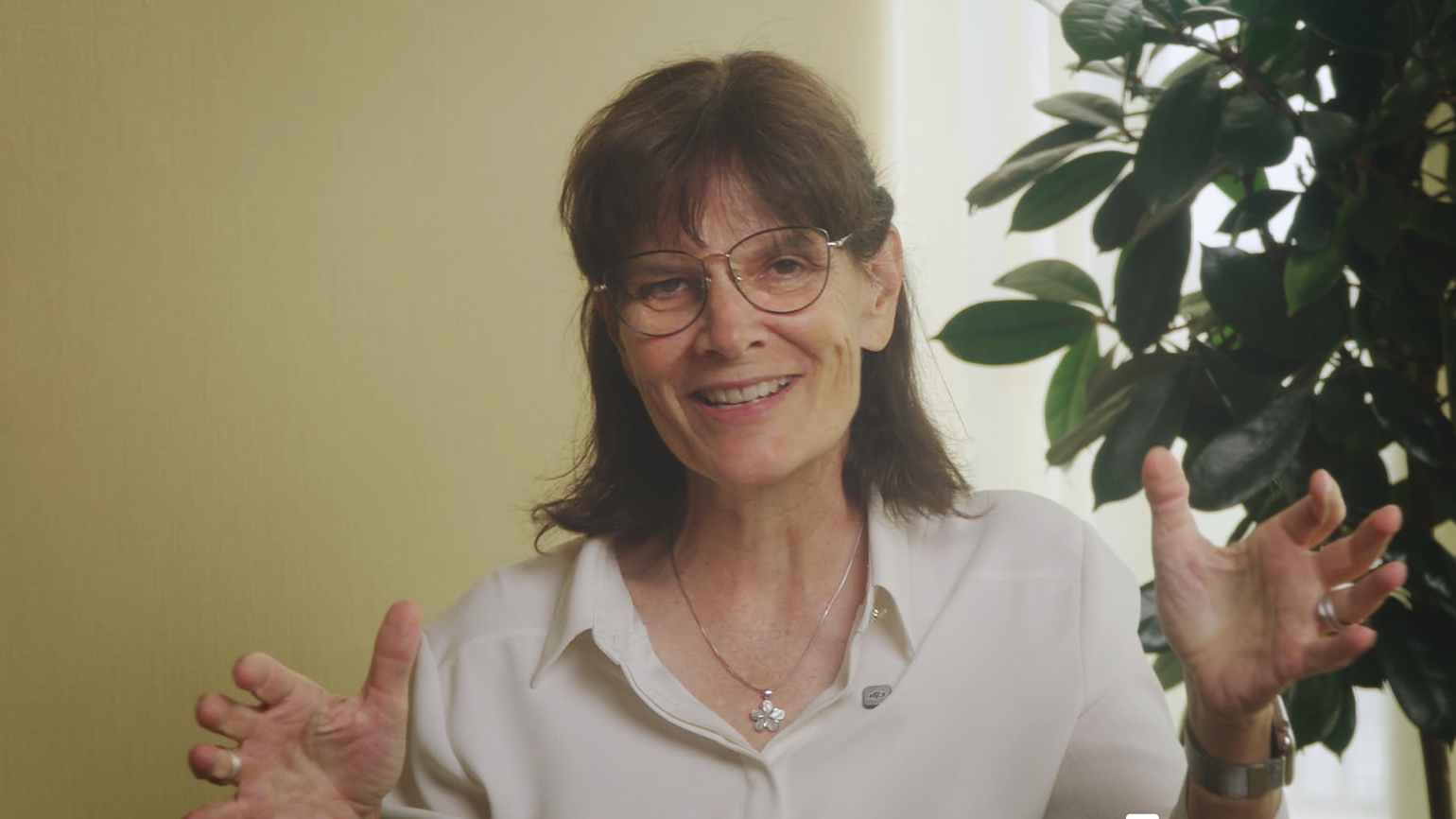
ARIA's opportunity spaces are the frontiers where we believe transformational breakthroughs are possible. They're our strategic visions of the future: areas of unmet opportunity where we believe new capabilities will most benefit humanity and where ambitious research could fundamentally change what becomes possible.